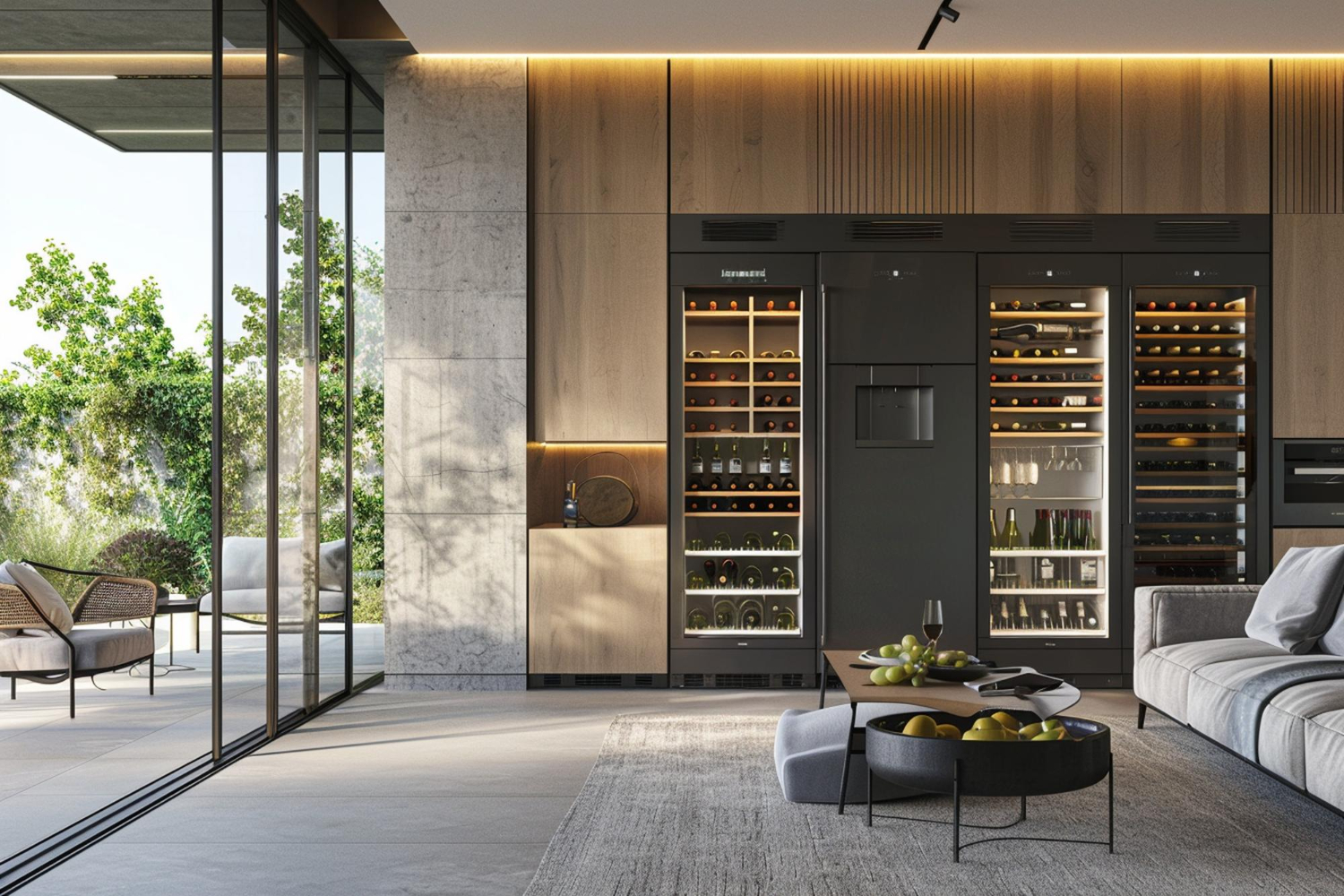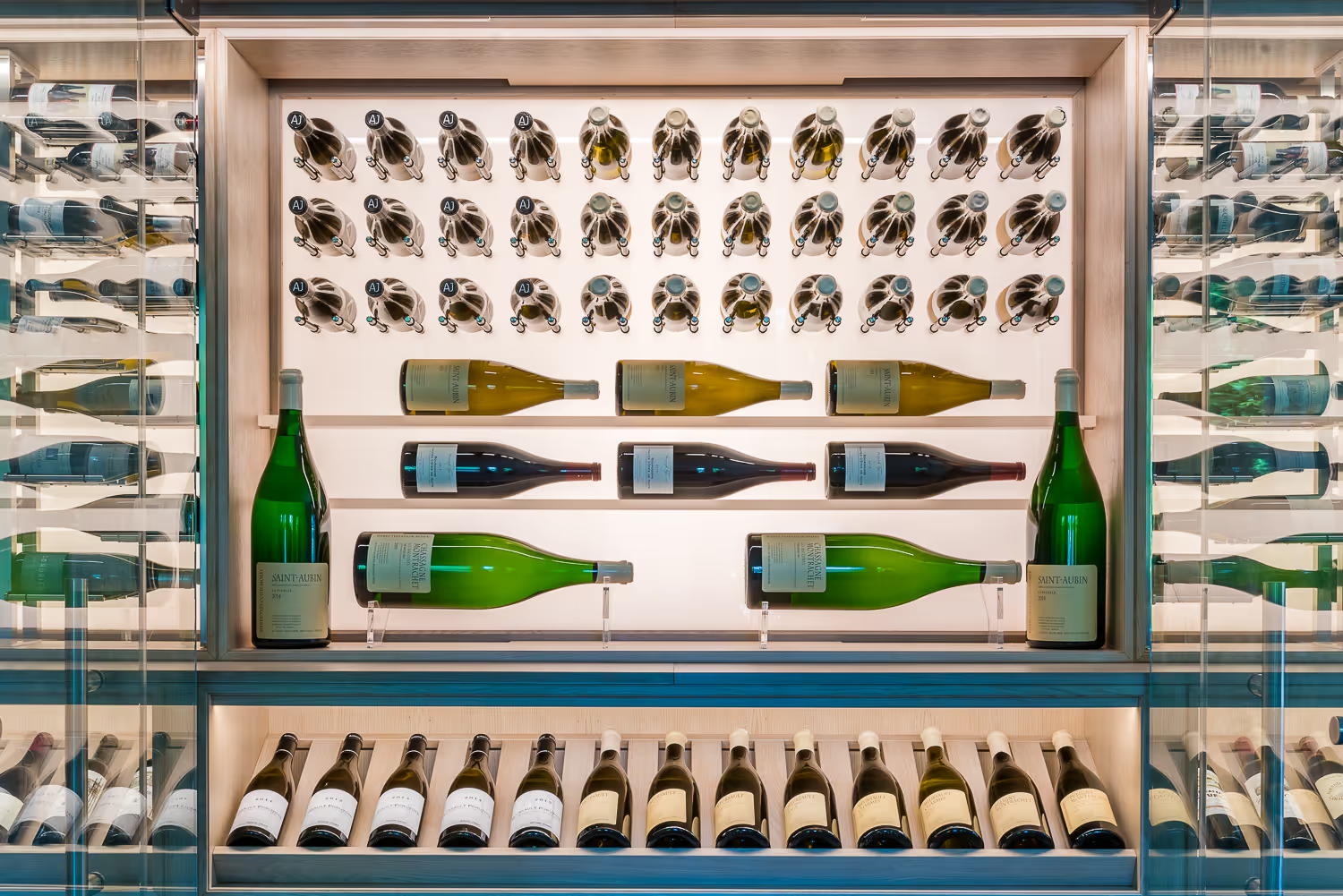
A wine collection usually starts small. A few bottles saved from a memorable dinner, a case brought back from a vineyard visit. Something set aside for a special occasion. Then, almost without noticing, it grows.
Before long, you're managing dozens (and sometimes hundreds) of bottles spread across boxes, cupboards and makeshift racks. And that's when a familiar problem begins to surface, you no longer have a clear picture of what you actually own.
This is one of the most common challenges we see among collectors. A naturally expanding collection quickly becomes difficult to navigate without a considered system in place. The wines are there, but the structure to make sense of them isn't.
Here's how to change that.
Wine is not a static product as every bottle has a window in which it will taste its best, and that window is easy to miss without a reliable way of tracking it. In collections we've worked with across the UK, bottles are regularly opened too early or forgotten entirely. Not because the collector was careless, but because there was no system to guide them. We've seen people invest significantly in exceptional wine, only to lose track of it once it entered storage.
A well organised cellar doesn't just look considered. It protects your collection, makes it usable, and ensures the bottles you've invested in are enjoyed at the right moment.
Before thinking about racks or physical layouts, you need an organising principle, a logic that makes sense for the way you collect and the way you entertain. There are 3 approaches that work particularly well in practice.
Grouping by geography creates an intuitive flow through your collection. France divided into Bordeaux, Burgundy, and the Rhône. Italy by Tuscany and Piedmont. New World wines by country. When you're planning a dinner or reaching for something to complement a dish, you know exactly where to look.
Many collectors prefer to organise by grape variety, grouping Pinot Noir, Chardonnay, Syrah and so on together regardless of where they’re from. This approach works especially well for those whose buying habits are driven by style rather than provenance, and it makes selection intuitive when you know the kind of wine you want rather than the specific region.
Whether you opt for a by-varietal or by-region approach, pairing it with a digital inventory app that tracks drinking windows adds a practical second layer of control, ensuring you’re never guessing when a bottle is at its best.
This is where many collections fall short, and it's arguably the most important consideration for anyone cellaring wine seriously. Every bottle sits somewhere on a maturity curve, and your storage should reflect that.
A practical approach is to divide by timeframe: wines ready to drink now in the most accessible positions, mid-term bottles in secondary storage, and long term ageing wines in the most stable, undisturbed areas. For collections over 500 bottles, this kind of structure becomes essential rather than optional.
A third layer worth considering is use case, separating everyday bottles from those reserved for special occasions, keeping Champagne and sparkling wines together, and giving larger formats their own dedicated space. It's a simple addition that prevents unnecessary handling and makes the experience of choosing a bottle far more straightforward.
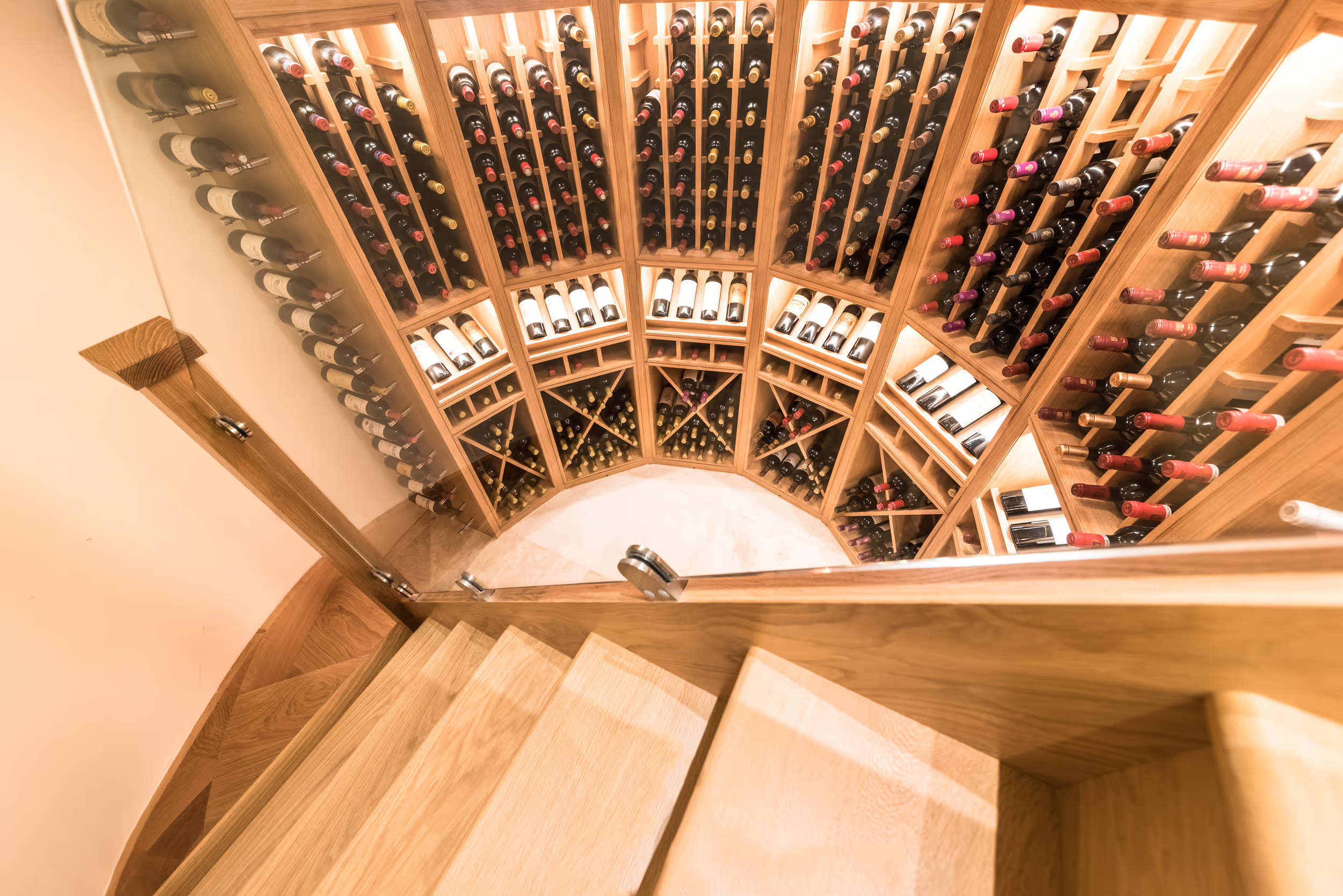
An organising system only holds together if your storage is designed to support it. This is where standard modular racking often falls short limiting visibility, making categorisation awkward, and failing to accommodate the variation in bottle shapes across different regions and formats.
A properly designed cellar allows for clear zoning by region, drinking window or type. It can incorporate a mix of individual display rows and bulk storage, with labels visible at a glance and bottles easy to retrieve without disturbing the rest of the collection.
In a recent project, a 1,200 bottle wine room was designed with dedicated display rows for ready to drink wines, deep storage bins for ageing cases, and a full width glass wall that made the entire collection visible from a single vantage point. The result was as practical as it was striking because knowing what you own, and being able to see it, changes how you engage with your collection entirely.
Not all bottles are the same, and those differences matter when designing storage. Burgundy, Bordeaux, Champagne, and Rhône bottles all vary in width and proportion. In collections that span multiple regions or include larger formats, racking needs to be specified accordingly otherwise bottles won't sit correctly, labelling becomes inconsistent, and the organisation system begins to break down at the edges.
This is something we address as a matter of course in every cellar we design.
One of the simplest improvements you can make to any collection is also one of the most overlooked. Rather than pulling bottles from the rack to check what they are, a clear labelling system removes that need entirely. Neck tags, shelf markers and visible drinking window indicators all reduce disturbance (which matters for any wine with sediment) and make navigating the collection effortless.
Once a collection moves beyond around 100 bottles, physical organisation alone has its limits. A digital inventory software adds a second layer of control allowing you to search by wine, region, or vintage, track drinking windows, and monitor stock levels over time. Many collectors use dedicated cellar apps or inventory software alongside their physical setup rather than as a replacement for it. For collections over 1,000 bottles, having both systems working in parallel is what makes the collection manageable.
A well organised and purpose built cellar changes how you experience your wine. Rather than searching, guessing, or discovering bottles past their best, you know exactly what you have, when to open it, and where to find it. So if your collection is starting to feel difficult to manage, the solution is rarely about having less wine. It's about having the right structure around it.
Additionally, if you'd like to explore what that might look like in your home, the Cellar Maison team would be happy to help.